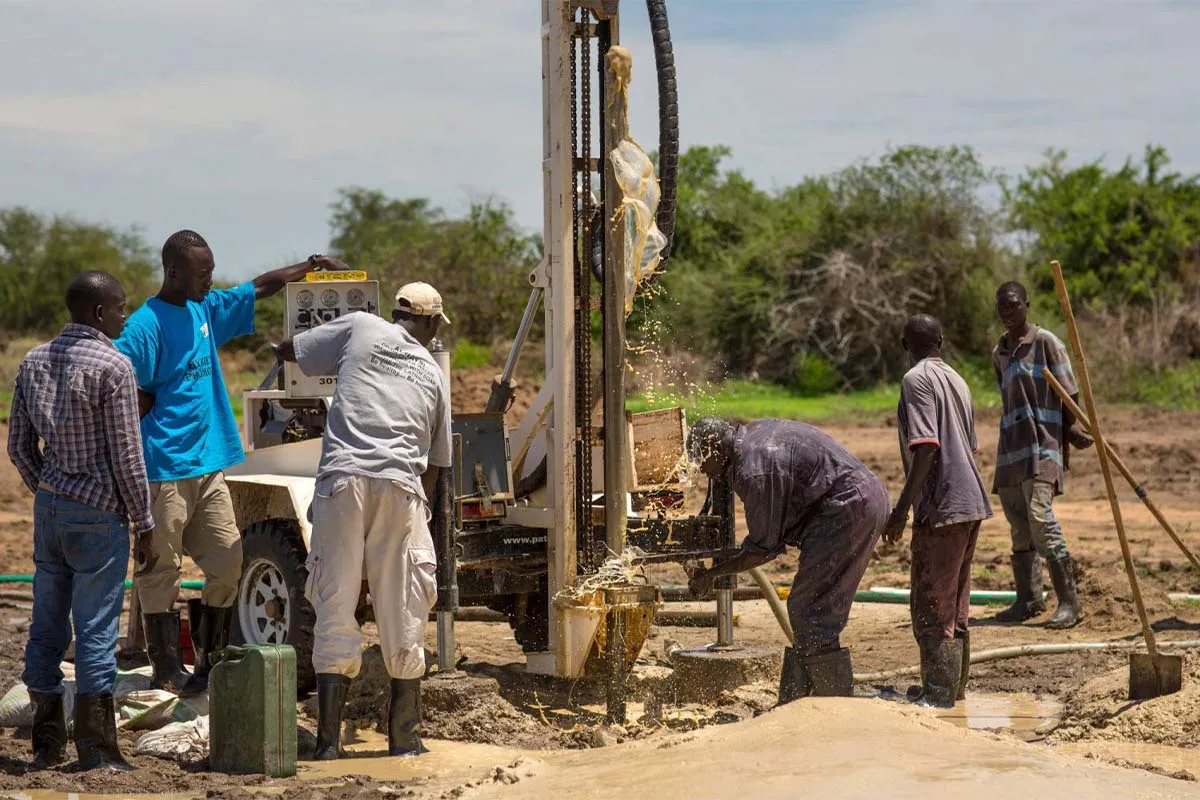
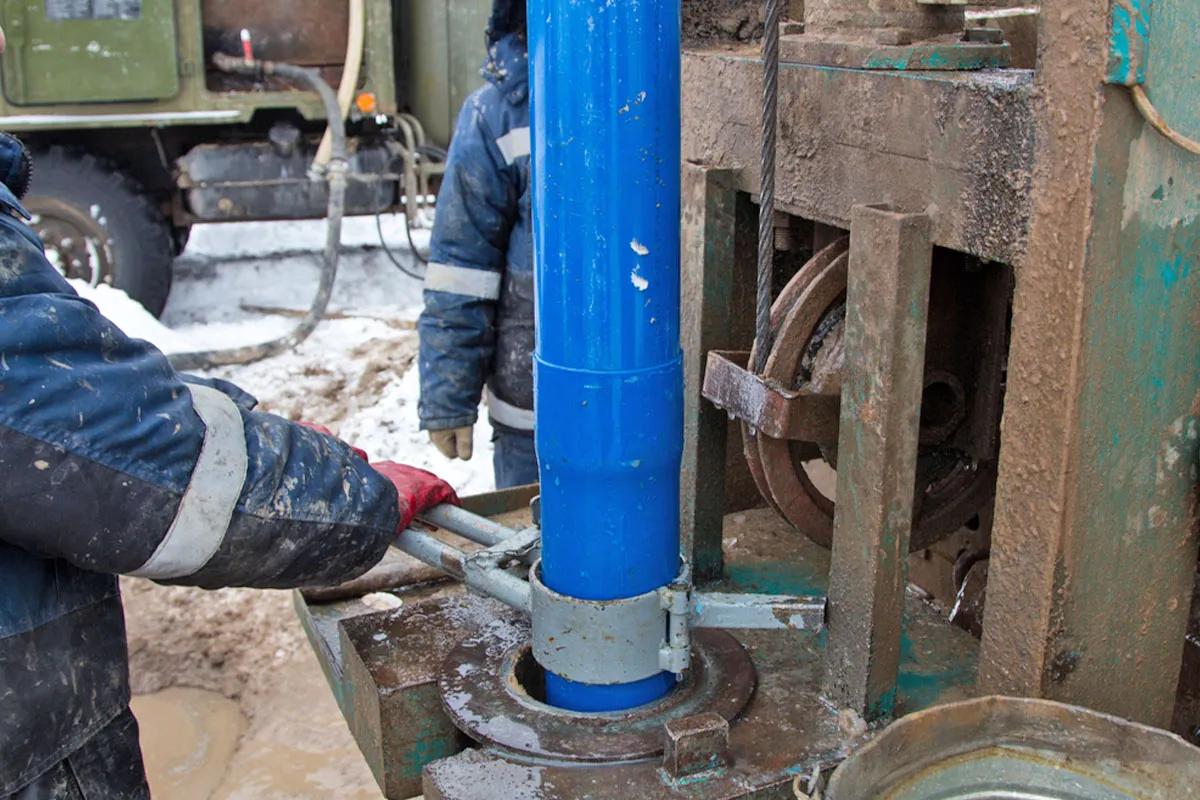
Once a borehole has been drilled, it must be lined with casing, either steel or uPVC. Casing keeps the borehole open and stops its walls from caving in, and it protects the groundwater by sealing off surface water and shallow contamination.
A well-designed casing installation assures the long-term integrity of the borehole from top to bottom. Poor casing is one of the most common reasons boreholes lose yield, produce sand or become contaminated.
What well casing involves
- Casing design. We use the drilling log to decide the casing material, diameter and where to place plain casing and screens.
- Plain casing. Solid casing lines the sections of the borehole that do not produce water, and seals off unwanted layers.
- Screens. Slotted casing is placed opposite the water-bearing layers to let water in while holding back the formation.
- Gravel pack. Graded gravel is placed around the screens to filter out fine sand and stabilise the borehole.
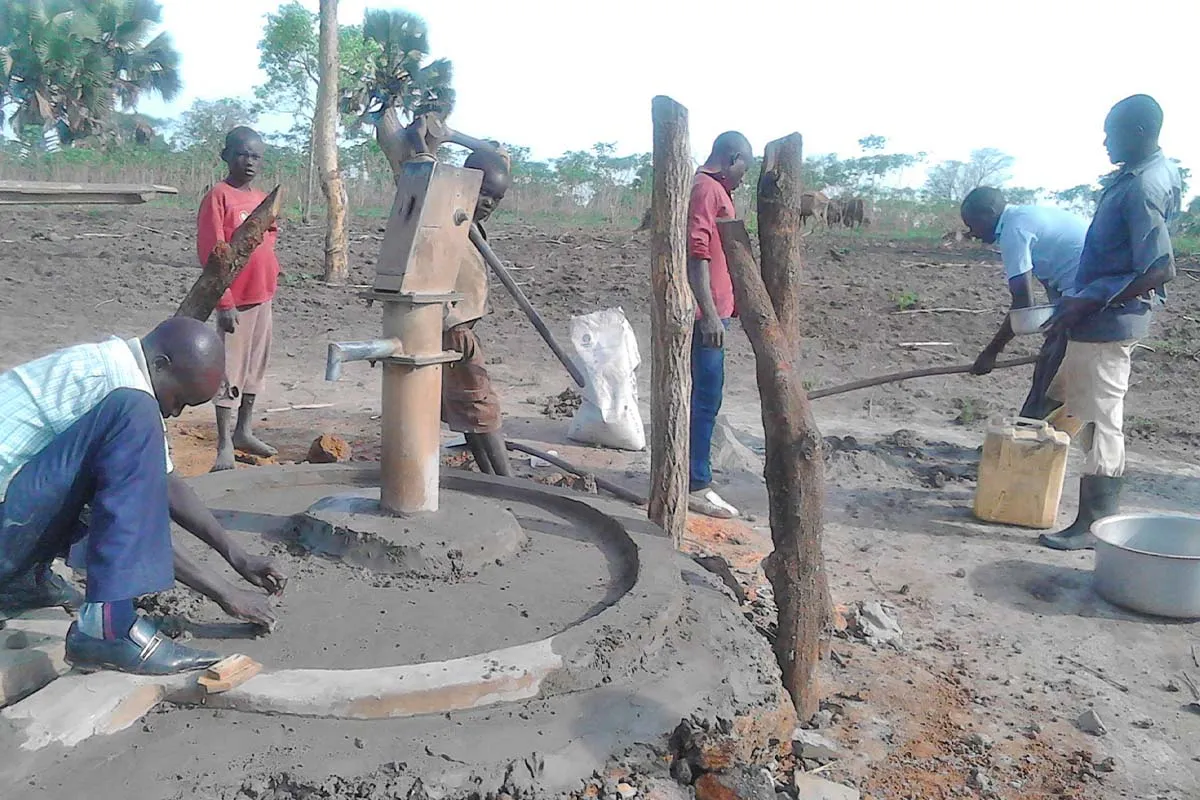
- Sanitary seal. The annulus near the surface is sealed, and the casing finished above ground level with a concrete apron, to stop surface water entering.
- Development. The borehole is developed to remove drilling fluids and fines and maximise yield.
Choosing the right casing
The choice between steel and uPVC depends on the depth of the borehole, the stability of the formation, the chemistry of the water and your budget. We recommend the option that gives the best long-term performance for your site.