An Environmental Impact Assessment (EIA) examines how a proposed project will affect the environment and the people around it, both positively and negatively, before any work begins. It sets out practical measures to avoid, reduce or offset the negative impacts while making the most of the positive ones.
In Kenya, the EIA is a legal requirement. Under the Environmental Management and Co-ordination Act (EMCA), projects listed in the Second Schedule cannot start until the National Environment Management Authority (NEMA) has issued an EIA licence. A well-prepared EIA also protects your investment: it flags problems early, when they are cheapest to fix, and gives financiers and county planning departments the assurance they need.
How we deliver your EIA
- Screening. We review your project against the Second Schedule and confirm its risk category, so you know from day one which report is required and what it will involve.
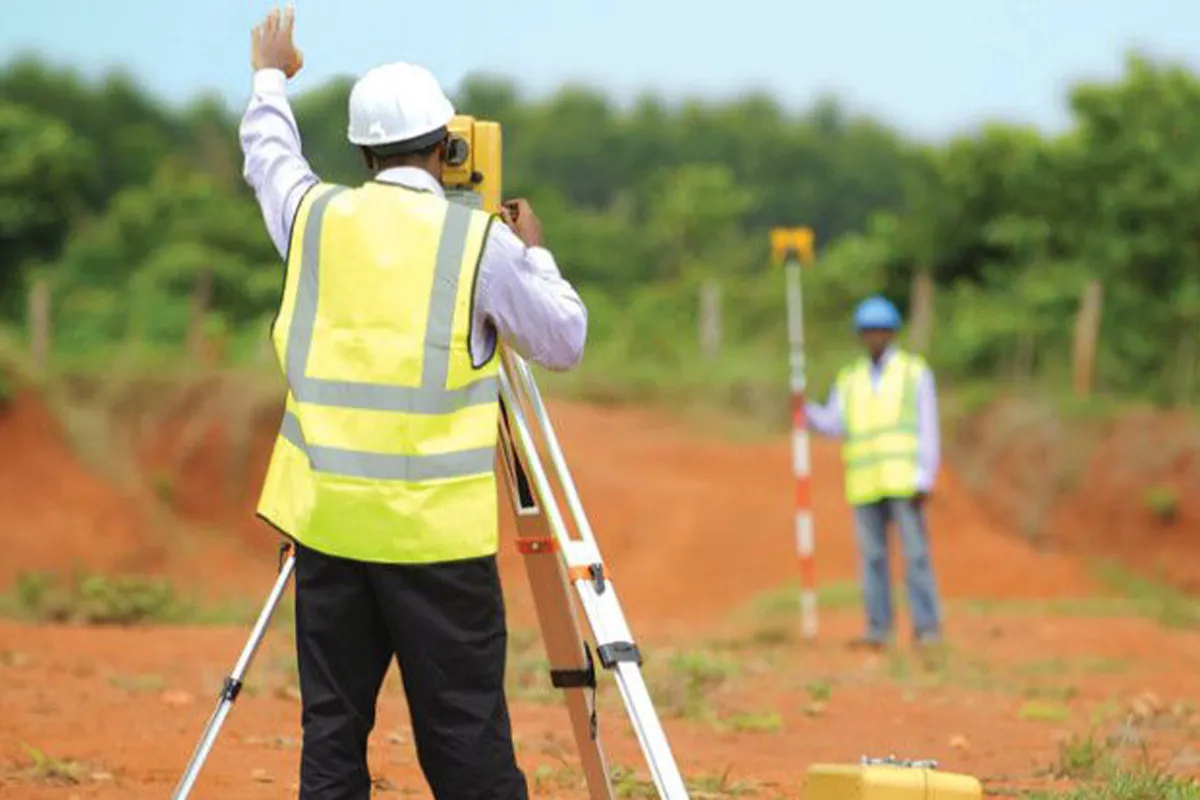
- Site assessment and baseline. Our team visits the site to record the existing environment: land use, soils, drainage, vegetation, air and noise conditions, neighbouring properties and community facilities.
- Public participation. We consult neighbours, local leaders and other stakeholders through questionnaires and meetings, and document their views as NEMA requires.
- Impact assessment. We analyse the impacts of construction, operation and decommissioning, rating their significance and designing realistic mitigation measures.
- Report preparation and submission. We compile the report and Environmental and Social Management Plan, and submit it to NEMA on your behalf.
- Follow-up to licensing. We respond to NEMA’s review comments and site verification visits until the licence is issued.
What the EIA report covers
- The nature, location, design and budget of the project
- The activities in the construction, operation and decommissioning phases
- Materials to be used, products and by-products, and how wastes will be handled
- Potential environmental, social, economic and cultural impacts
- Mitigation measures and an Environmental and Social Management Plan (ESMP) with responsibilities and costs
- Measures to protect the health and safety of workers and neighbouring communities
- Any other information NEMA may require
Why it pays to get the EIA right
A thin or generic report is one of the most common reasons for delays at NEMA. Our reports are site-specific, based on what we actually observe on the ground, and written so that reviewers can follow the evidence to the conclusions. That reduces back-and-forth and gives you an ESMP your contractor can actually implement.