
Asbestos was widely used in Kenya for roofing sheets, ceiling boards, water pipes and insulation. As these materials age and deteriorate, they can release fine fibres into the air that cause serious lung diseases, including asbestosis, lung cancer and mesothelioma. NEMA has directed public and private facilities with asbestos roofs or water pipes to have them removed, and asbestos waste may only be removed, transported and disposed of in a manner the Authority approves.
Octopus Consultancy Limited guides you through the whole process: an initial asbestos assessment, the NEMA approval application, coordinated asbestos removal, asbestos transportation and asbestos disposal in Kenya through licensed specialists, and a complete set of records at the end.
Our asbestos services
1. Asbestos assessment and surveys
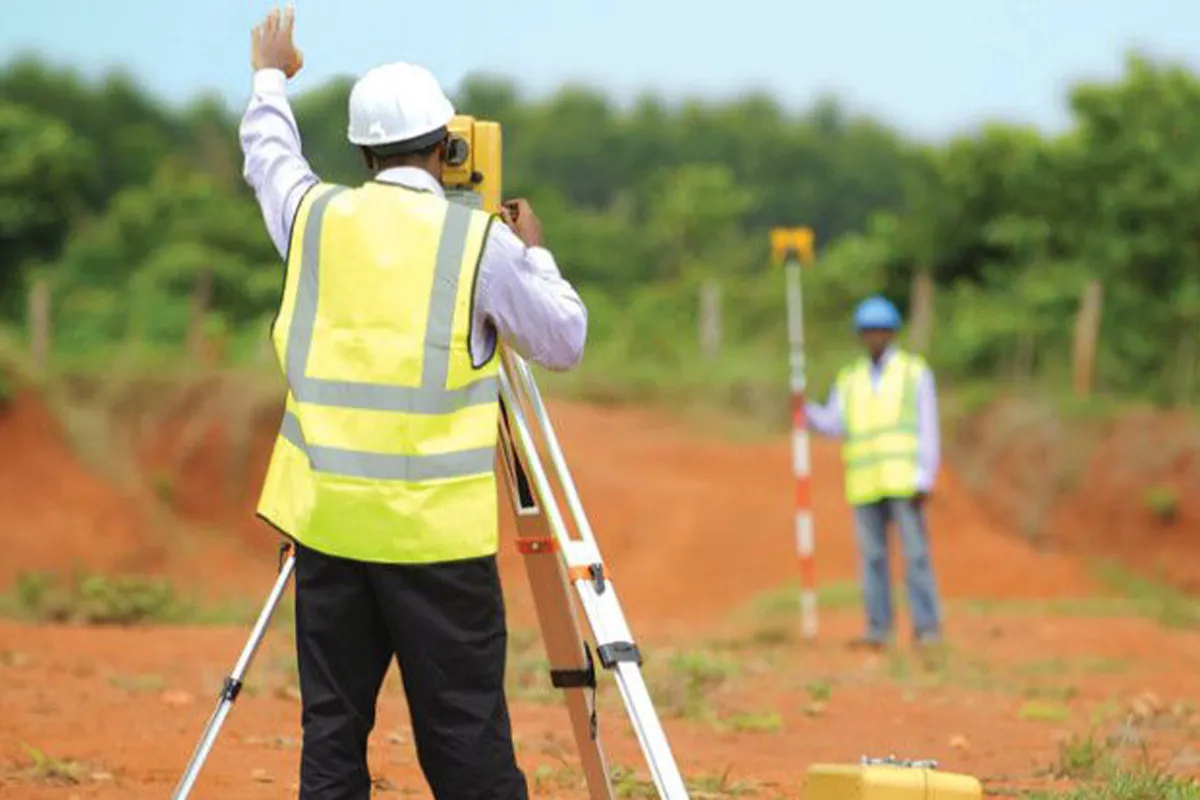
We inspect your premises to identify suspected asbestos-containing materials (ACMs), such as roofing sheets, ceiling boards, pipes and insulation. For each material we record its location, extent and condition, evaluate the risk it poses, and compile a material inventory. Where laboratory confirmation is needed, we coordinate specialist sampling and testing. A photograph alone is not treated as confirmation that a material contains asbestos.
2. NEMA approval application support
NEMA treats asbestos waste as hazardous waste. Before any removal, NEMA’s guidelines require an Environmental Impact Assessment (EIA) covering removal, handling and disposal, prepared by experts registered with NEMA. Octopus holds a NEMA Firm of Experts licence; we prepare and submit the EIA documentation, the asbestos management plan and supporting reports, and liaise with NEMA throughout its review. NEMA determines every application and issues the approval; removal work must not begin until NEMA has issued its licence or decision.
3. Asbestos removal and handling
We plan and coordinate controlled removal through suitably qualified and appropriately licensed asbestos specialists, in line with the conditions of your NEMA approval. This includes securing the work area, appropriate packaging and labelling of asbestos waste, and safe temporary storage before collection.
4. Asbestos transportation
We coordinate transport through NEMA-licensed waste transporters authorised to carry asbestos waste. Every load must travel with a waste tracking document recording the quantity and the transporter’s details, and we make sure this paperwork is complete.
5. Disposal at licensed facilities
We arrange delivery to a disposal facility licensed by NEMA to accept asbestos waste, either a designated county site or a licensed commercial site. We confirm acceptance before the waste is moved, and collect the disposal records bearing the facility’s name and stamp.
6. Onsite disposal assessment and approval support
In some cases, disposal on your own site may be an option. We evaluate whether the site is suitable, coordinate the hydrogeological investigation that informs the siting of the disposal pit, and prepare the environmental documentation for NEMA. Onsite asbestos disposal requires specific NEMA approval through the EIA process, must follow NEMA’s prescribed safeguards, and must take place in the presence of a NEMA Environmental Inspector. Ownership of the land alone is not an authorisation.
7. Project completion documentation
At the end of the project we compile a completion file containing the applicable approvals, waste tracking documents, disposal acknowledgements and a completion report. These are the records NEMA inspectors may ask to see.
How the process works
- Assessment. We inspect the site, identify and record suspected asbestos-containing materials, and agree a disposal approach with you.
- EIA and NEMA application. We prepare the EIA documentation, including a hydrogeological investigation where the disposal option requires it, and submit it to NEMA.
- NEMA decision. NEMA reviews the application and issues its licence or decision. No removal work starts before this.
- Coordinated removal. Licensed specialists remove, package, label and temporarily store the asbestos under the approved conditions.
- Licensed transport. NEMA-licensed transporters carry the waste with tracking documentation.
- Documented disposal. The waste is disposed of at a licensed facility, or onsite where specifically approved and supervised by a NEMA Environmental Inspector.
- Completion file. You receive the approvals, tracking documents, disposal records and a completion report.
Where we help
- Homes and residential estates replacing asbestos roofs, ceilings or water pipes.
- Schools, colleges and universities, where protecting learners and staff is the priority.
- Hospitals and health facilities that must keep operating safely during the works.
- Factories and warehouses with large roof areas, pipework or insulation.
- Commercial premises, offices and institutions undergoing renovation or redevelopment.
Your safety comes first
If you suspect asbestos in your building, do not break, cut, drill, sand or sweep it, and keep people away from damaged material. Asbestos should only be removed by licensed specialists under an approved plan. NEMA advises property owners to seek its authority before engaging an asbestos handler, and to beware of anyone falsely claiming to be licensed.
Request an asbestos management quotation
Every asbestos project is different. After an initial assessment, we provide a clear quotation and a realistic programme. Consultancy fees, authority charges and specialist-provider costs are identified separately. Timelines depend on assessment findings, regulatory review and provider availability. Approval decisions rest with NEMA; no approval, completion date or asbestos-free certification is guaranteed.