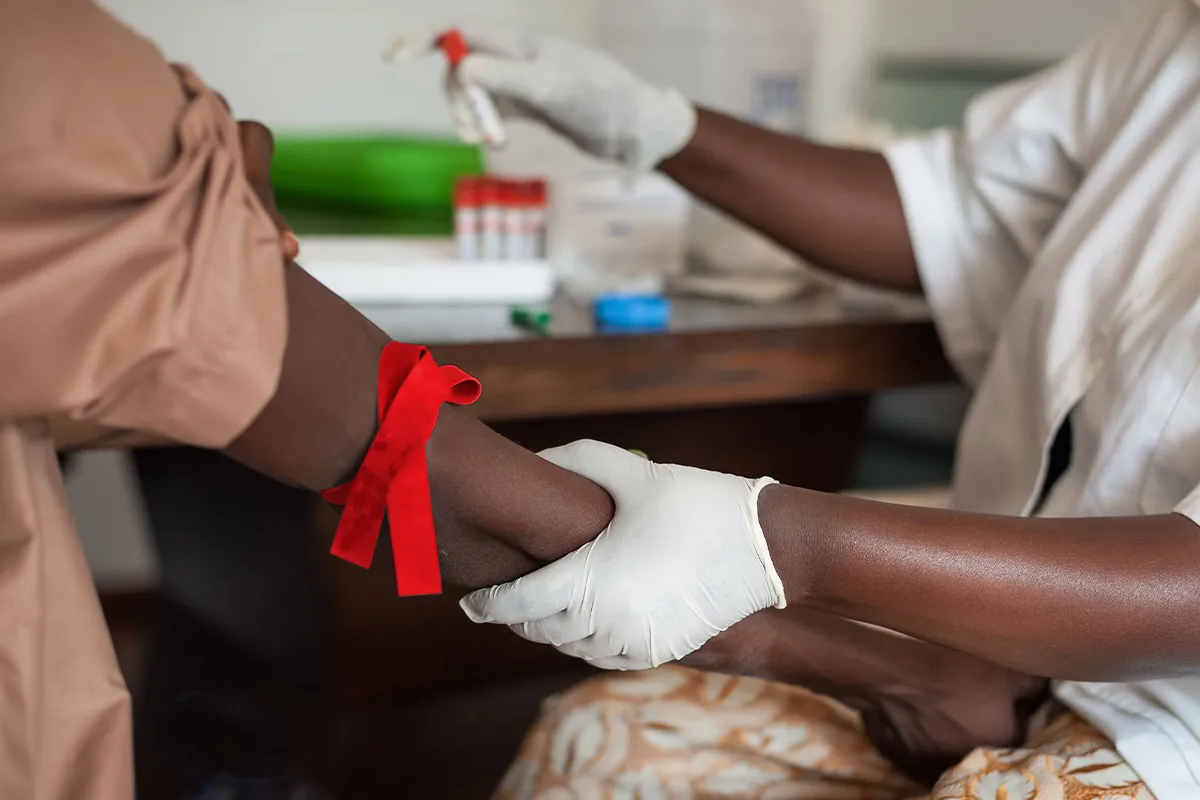
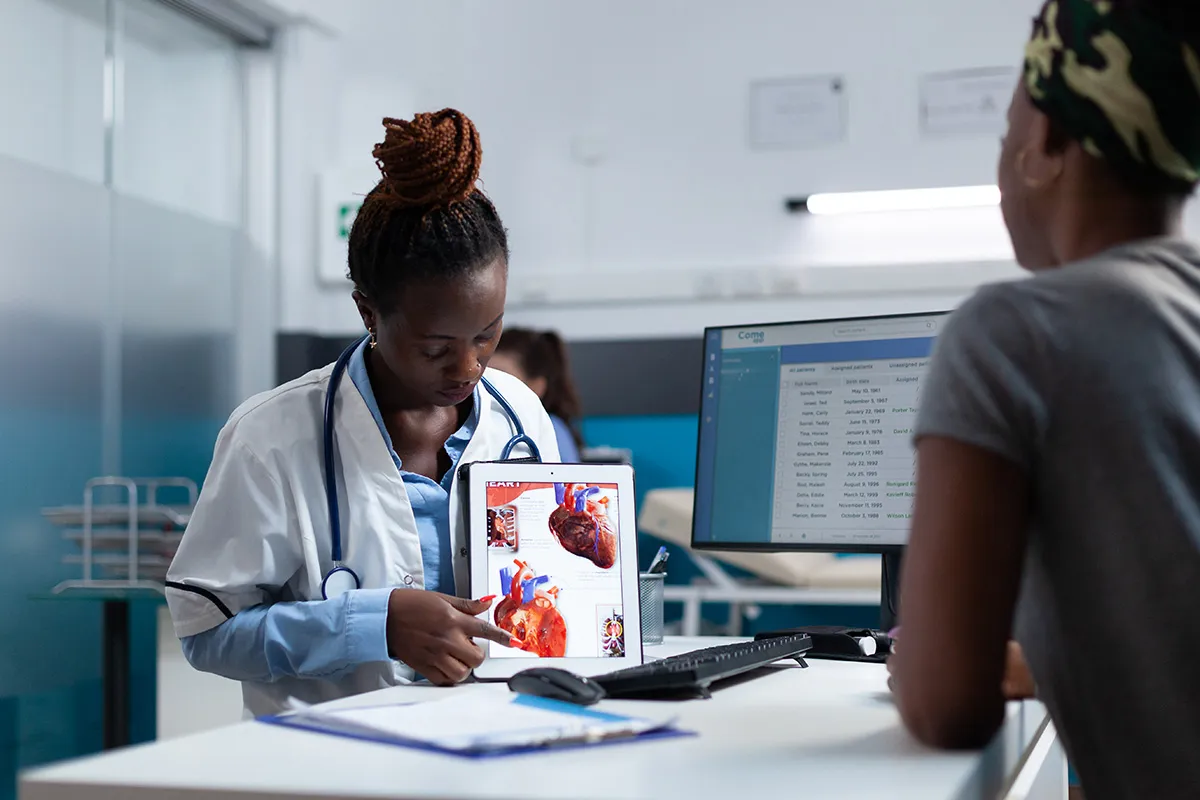
The World Health Organization describes health promotion as the process of enabling people to increase control over, and improve, their health. It moves beyond individual behaviour to a wide range of social and environmental interventions.
Octopus Consultancy supports the health of individuals and communities through thematic training, advocacy and research, with a particular focus on water, sanitation and hygiene (WASH).
Areas of work
- Participatory approaches to research and health education
- Occupational safety and health
- WASH programming for schools and communities
- Sexual and reproductive health (SRH)
- Maternal and child health (MCH)
- Nutritional assessments and management
- Mainstreaming HIV and AIDS in development programmes
Courses we offer
- Hygiene and sanitation promotion using the PHAST, CLTS and CHAST approaches
- Hygiene and sanitation promotion in emergency contexts
- Sustainable and inclusive WASH in Schools (WinS)
- Sustainable and inclusive WASH in Communities (WinC)
- Integrated WASH and nutrition programming
- Water safety planning for drinking water supply systems (WSP)
- Social and behaviour change communication (SBCC) for health promotion
How we work
- Understand the context. We start with the community or institution: its needs, existing services and the people involved.
- Participatory design. We involve communities, teachers, health workers and local leaders in designing interventions, so they own the results.
- Build capacity. We train the people who will carry the work forward, with practical tools and materials.
- Measure results. We set clear indicators and help you monitor progress and report to funders.
Workplace and institutional health
Our public-health consultancy also connects environmental conditions, workplace standards and community considerations, with the emphasis on preventive advice and awareness:
- Workplace and community health. Sanitation, hygiene, food environments and the health considerations associated with the setting being assessed.
- Health education. Learning materials and communication on healthier behaviours, disease prevention, alcohol and tobacco awareness and other relevant workplace issues.
- Research and evidence. Data collection, review of information and reporting to support preventive programmes and management decisions.
- Institutional settings. Advice for schools, community initiatives and other institutions, including nutrition-related awareness within the agreed scope.
Who we work with
Our public health work supports NGOs and development partners, county governments, schools, water service providers, community groups and employers. Assignments may involve different disciplines, so we agree the consultancy role, the client’s responsibilities and any contribution needed from suitably qualified specialist partners before the work begins.
Our role: consultancy, education and preventive advice. Clinical treatment, vaccination and emergency medical response are separate services requiring appropriately qualified providers and a specific appointment.